Enhancing Manufacturing Processes with AR Technology
In today's competitive manufacturing landscape, minimizing errors and maximizing efficiency are paramount. Augmented reality (AR) technology offers a groundbreaking solution by providing real-time error detection in manufacturing processes. By overlaying digital information onto the physical world, AR enables manufacturers to identify and address errors instantly, resulting in improved product quality and reduced production costs.
Streamlining Quality Control
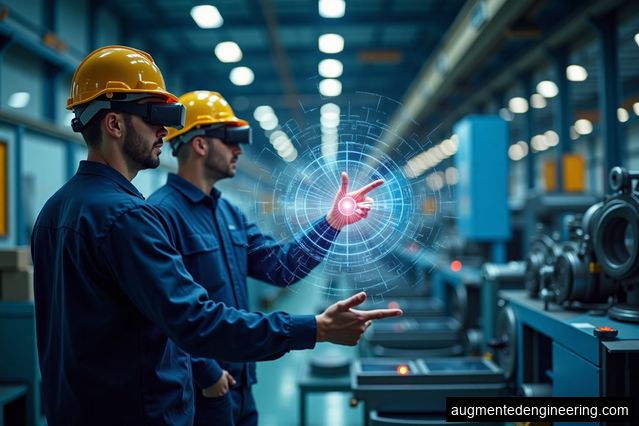
One of the significant challenges in manufacturing is ensuring consistent product quality. Traditional quality control methods often involve manual inspections and post-production testing. However, these methods are time-consuming and may only catch errors after production is complete. With AR technology, manufacturers can implement real-time quality control measures. AR-powered devices such as smart glasses or mobile applications can guide operators through each step of the manufacturing process, highlighting potential errors and providing immediate feedback. This allows for proactive error prevention and ensures that products meet the desired quality standards.
Improving Efficiency and Productivity
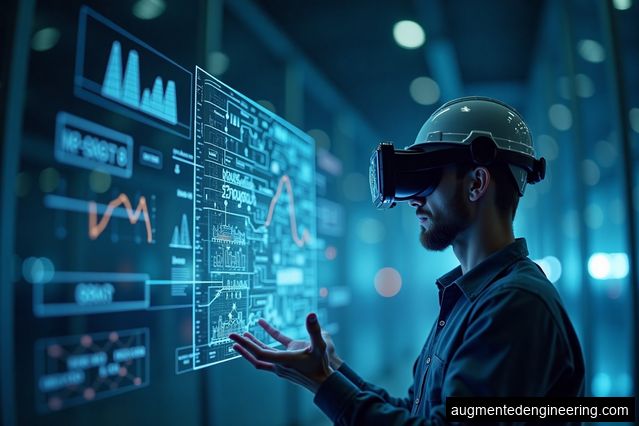
AR technology not only enhances quality control but also improves overall efficiency and productivity in manufacturing processes. By overlaying virtual instructions or visual cues onto the physical workspace, AR enables operators to perform tasks more accurately and efficiently. Complex assembly procedures can be simplified with step-by-step AR instructions, reducing the risk of errors and minimizing the need for extensive training. Additionally, AR can provide real-time data and analytics, allowing manufacturers to identify bottlenecks, optimize workflows, and make informed decisions to streamline their operations.
Real-Time Error Detection and Correction
One of the key advantages of AR technology in manufacturing is its ability to detect errors in real-time. AR-powered devices can use computer vision algorithms to analyze the manufacturing process and identify deviations from the intended procedures. Operators receive immediate alerts or visual cues when errors occur, enabling them to take corrective actions promptly. This real-time error detection not only prevents defective products from reaching the market but also minimizes the need for rework or costly recalls.
Ensuring Worker Safety and Training
AR technology also plays a crucial role in ensuring worker safety and facilitating training in manufacturing environments. By overlaying safety information, hazard warnings, or virtual barriers, AR devices can help operators navigate potentially dangerous workspaces more safely. Additionally, AR-guided training programs can provide interactive and immersive learning experiences, allowing new employees to acquire essential skills and knowledge more efficiently. This reduces the training time and costs associated with traditional training methods.
Future Possibilities and Integration
As AR technology continues to advance, its integration with other emerging technologies holds immense potential for the manufacturing industry. Combining AR with Internet of Things (IoT) sensors, machine learning, and predictive analytics can create intelligent manufacturing systems capable of self-diagnosing and self-correcting potential errors. This integration can further optimize production processes, reduce downtime, and enhance overall operational efficiency.