Improved Visualization and Design
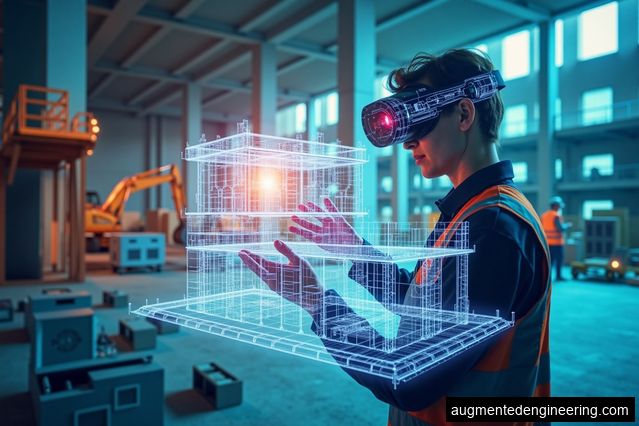
One of the key benefits of augmented reality in structural engineering is the ability to visualize designs in real-world environments. Engineers can use AR technology to overlay digital models onto physical spaces, allowing them to see how the proposed design will fit into the existing environment. This enhances the design process by providing a more realistic representation of the final product.
Streamlined Collaboration
Augmented reality also facilitates collaboration among various stakeholders involved in the building design and construction process. With AR, architects, engineers, and contractors can view and interact with the same digital models in real-time, regardless of their physical location. This eliminates the need for multiple site visits and meetings, saving time and reducing miscommunication.
Enhanced Construction Management
AR technology is transforming how construction projects are managed. By using AR-enabled devices, project managers can overlay digital plans and instructions onto the physical construction site. This helps ensure that every step of the construction process is executed accurately, reducing errors and rework. Furthermore, AR can provide real-time progress updates and generate alerts for potential conflicts or safety issues.
On-site Training and Safety
Augmented reality is also valuable for on-site training and enhancing safety measures. Construction workers can use AR devices to access digital instructions, safety guidelines, and visual aids while on the job. This improves efficiency and reduces the risk of accidents by providing workers with real-time guidance and information.
Efficient Maintenance and Facility Management
AR technology is not limited to the design and construction phase but also extends to the maintenance and management of buildings. Building owners and facility managers can utilize AR applications to access digital overlays of building systems, such as plumbing, electrical, and HVAC. This simplifies maintenance tasks, allowing for quick identification of issues and providing step-by-step instructions for repairs.
Future Possibilities
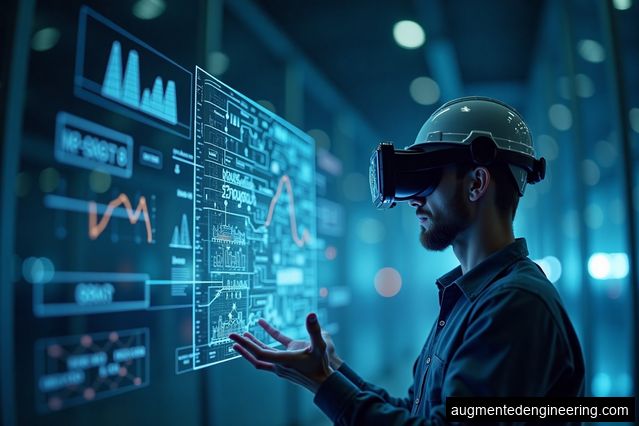
As augmented reality continues to evolve, its potential in structural engineering expands. The integration of AI algorithms and machine learning with AR technology could enable real-time analysis of structural integrity, energy efficiency, and environmental impact. This would revolutionize the decision-making process and lead to more sustainable and optimized building designs.